
INSIDE THE CONCUSSION LANDSCAPE PODCAST
Inside The Concussion Landscape · Episode 3
Pediatric Concussion Research & Return to School with Dr. Shannon Scratch
November 17th, 2026 | 42 min | Host: Dr. Michael Jorgensen
When Dr. Shannon Scratch started at Holland Bloorview, the hospital gave her the keys to an office and said, make it about brain injury. Go. She admits it was pretty terrifying. That office became the NOvEL Lab.
She joins host Dr. Michael Jorgensen to talk about where the system loses young people after a concussion. It starts with whether they feel they have anyone to tell, and continues through referrals that often depend on good googling or knowing the right person.
“A lot of young people don’t feel like they have somebody to talk to, right at the point of having an injury.”
LISTEN HERE



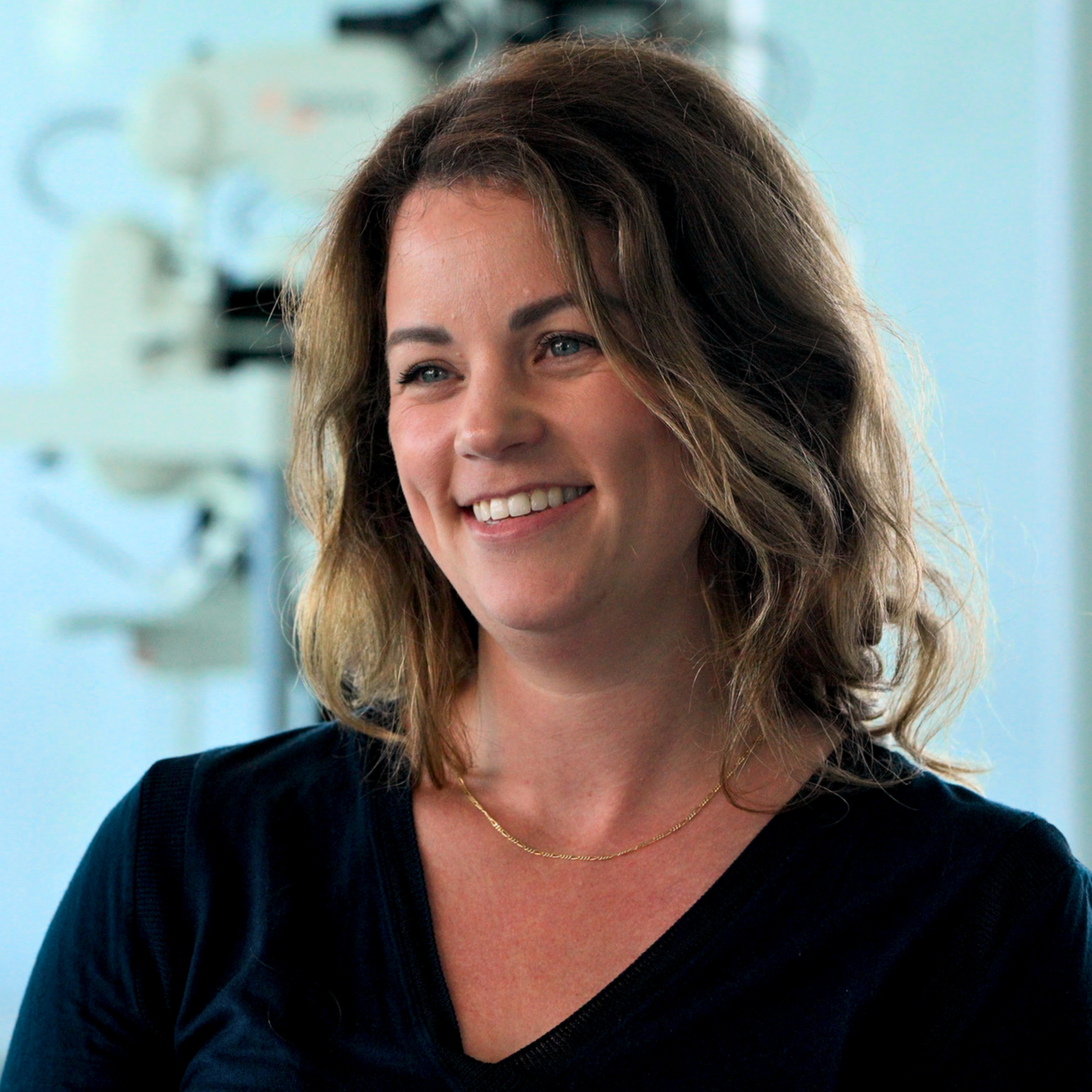
GUEST: Dr. Shannon Scratch
Lab Director & Clinical Neuropsychologist, The NOvEL Lab at Holland Bloorview Kids Rehabilitation Hospital

HOST: Dr. Michael Jorgesen
Postdoctoral researcher and Director of Research, HeadsupCAN
EPISODE SPONSOR
PIA Law, the Personal Injury Alliance, brings together Oatley Vigmond, McLeish Orlando and Thomson Rogers to provide experienced legal representation to injured people and their families across Ontario. pialaw.ca
EPISODE SHOW NOTES
[00:00] Introduction
[02:11] Building a Lab From Scratch
Dr. Scratch is a neuropsychologist, which means she helps people understand why they’re having certain symptoms and challenges, and what their strengths are. It’s rare for someone who isn’t a physician to work clinically and start a research lab. When she got the chance, Holland Bloorview handed her the keys and said, make it about brain injury. She built the NOvEL Lab around the questions her clinical colleagues and families kept asking.
[03:45] Why It Takes a Whole Team
The lab includes occupational therapists, physiotherapists, speech-language pathologists, kinesiologists, rehab science and medical students, and engineers. Concussion symptoms vary so widely that one way of training can’t cover them all.
[05:29] Understand the Problem Before You Build
The team studies a problem in the research and with the people living it before building anything. Dr. Scratch says many people skip that step and end up with tools that don’t match real experiences.
[07:04] The Tension Between Now and Rigour
Clinicians and families want solutions now, and research is slow by design. The lab is testing new ways to gather feedback from the people using its tools, so the work doesn’t happen in a black box.
[08:50] Good Science Over a Fast Product
Michael asks how the lab handles new approaches, like red light therapy. Dr. Scratch says her job is to change how people think about practice. If someone else gets a product to market faster, that hurts, but it’s okay.
[12:19] Training for Skills, Not Just Science
The lab trains many students, and each project is shaped around the skills that person wants for their next job, in or out of academia. Dr. Scratch often co-supervises engineering students with Dr. Elaine Biddiss.
[14:42] When Advice Gets Ahead of the Evidence
Public awareness of concussion grew faster than the research. Advice like resting in a dark room wasn’t as evidence-based as it should have been, and the field is still correcting it.
[16:25] A Message for Parents
Most people get better, but everybody’s experience is different. Her advice is to take a breath, expect a tricky few weeks, and support your child even if their experience doesn’t look like yours.
[18:03] No Two Concussions Are the Same
Every person brings a different life into their injury. For a teen, a concussion during Grade 11 exams is very different from one over the summer.
[19:23] Partners Beyond the Lab
The lab works with HeadsupCAN, including a day with high school students the team still talks about. It has taught a pediatric brain injury course with the Ontario Brain Injury Association and partners with Brain Canada. More clinicians now visit to learn how it ties research into care.
[21:18] Bringing Research Into Clinic
Once a program has early evidence, the lab tests it directly in clinic, with families fully informed. Many families want that, because it could help someone else.
[23:14] Lessons From Cancer Care
In cancer care, families can already take part in research alongside treatment. Dr. Scratch thinks rehab can do the same, and says we’re almost not giving families enough credit.
[24:59] Getting Back to School
A resource the lab built with teachers is now being tested on the hospital unit, so every family gets it before their child goes back to class.
[26:58] When Going Back to School Is Hard
School isn’t a comfortable place for everyone, even before an injury. Classrooms are loud and overstimulating. Learning struggles before the injury, feeling misunderstood or a long absence can all make returning harder.
[29:57] Keeping Youth Input Current
Youth advisors keep the research grounded in what school is like now. The lab is also asking how to reach young people who wouldn’t usually volunteer.
[31:36] Where the System Loses Young People
Many young people don’t feel they have anyone to tell after an injury, and they worry about being pulled from their sport. Getting specialist care can take multiple referrals, some good googling or knowing the right person. Care pathways are being built for adults first, and Dr. Scratch calls the system fragmented.
[34:27] An Open Research Community
Dr. Scratch credits Canadian researchers and clinicians for their openness, including to experiences like intimate partner violence. The more the field opens up, the bigger and more fragmented the picture looks. She says Canada does a good job, with a lot of holes still to plug.
[36:30] Concussion Work Across Canada
She shouts out the SOAR program in BC on intimate partner violence and brain injury, Dr. Miriam Beauchamp’s work with preschoolers at the Université de Montréal, new sideline approaches in rugby, and attention to artistic swimming, which has a high concussion rate.
[39:05] Toward a National Strategy
A private member’s bill, championed by Brain Injury Canada, would recognize brain injury as a chronic condition and set a national strategy. Dr. Scratch calls Canada a leader in concussion, and says a strategy would push it further.
[41:06] Legacy
For Dr. Scratch, the legacy is her trainees and staff. Findings that change care would be the cherry on top.