
INSIDE THE CONCUSSION LANDSCAPE PODCAST
Inside The Concussion Landscape · Episode 2
Why Brain Injury Needs a Standard of Care with Judy Gargaro
November 5th, 2026 | 38 min | Host: Dr. Michael Jorgensen
If you’re diagnosed with cancer, there’s a clear path for what happens next. After a brain injury, there usually isn’t. That’s the gap Judy Gargaro is working to close. She joins host Dr. Michael Jorgensen to talk about why brain injury still has no clear standard of care, and what the cancer and stroke pathways can teach us.
“There’s a common saying ‘when you’ve seen one brain injury, you’ve seen one brain injury’ So there’s a strong individual component.”
LISTEN HERE



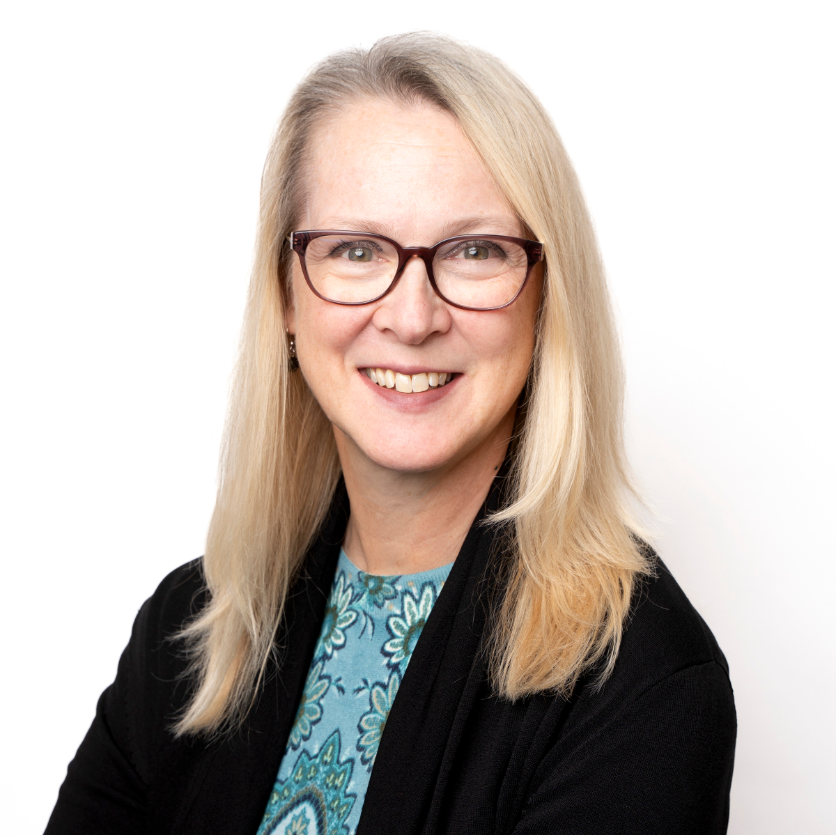
GUEST: Judy gargaro
Project Manager, Neurotrauma Care Pathways

HOST: Dr. Michael Jorgesen
Postdoctoral researcher and Director of Research, HeadsupCAN
EPISODE SPONSOR
PIA Law, the Personal Injury Alliance, brings together Oatley Vigmond, McLeish Orlando and Thomson Rogers to provide experienced legal representation to injured people and their families across Ontario. pialaw.ca
EPISODE SHOW NOTES
[00:00] Introduction
[02:09] Thirty-Five Years in Neurotrauma
Judy started out as a neuropsychological associate doing clinical assessments and treatment. Then, as she puts it, she got the research bug, and moved into clinical research and system-level work. Today her focus is improving the system of care for people after neurotrauma.
[02:41] What the Neurotrauma Care Pathway Is
There’s no clear standard for the care people should get after a brain injury, and that creates inequity. The pathway sets one out across the lifespan, because neurotrauma is a chronic condition. It’s grounded in living clinical practice guidelines that draw on evidence from around the world, and it leaves each region to decide how to deliver care. It also shows patients and families what they can expect over their recovery.
[04:55] Why a Standard Matters
Without one, there are many places where care can break down. Judy explains that people who get a good start are less likely to need unplanned health care later, and more likely to get back to work, school and their lives.
[06:46] Lessons From Cancer and Stroke
Cancer care has clear, funded pathways, so patients and providers both know what comes next and who’s guiding the journey. Stroke has a pathway too. Judy wants the same clarity for neurotrauma.
[08:38] Putting the Pathway Into Practice
The work happens at several levels at once, from making the case provincially to working with Ontario Health Teams and clinical champions. At each stage of care, the goal is one or two key actions, backed by tools that make the right thing easy to do. More than 200 collaborators help build those tools. Judy also explains why recovery isn’t always linear, using intimate partner violence as an example, where repeated concussions often happen with no care sought at the time.
[12:48] Seeing Yourself in the Pathway
Collaborators with lived experience helped build vignettes showing where their care went well and where it broke down. Those stories shaped the pathway, and they help health care providers spot concussion in places they might not have looked.
[14:45] The Concussions the System Misses
Older adults can get a concussion from something as simple as sitting down hard, and the focus ends up on other injuries. Others never go to the ER at all, or treat a headache as a neck problem, so the concussion goes unrecognized. Concussion is also a clinical diagnosis, with no blood test or scan to confirm it.
[21:08] Agency and the Right First Advice
There’s a saying in brain injury: when you’ve seen one brain injury, you’ve seen one brain injury. The pathway focuses on what people can do themselves, like staying active, sleeping well, managing stress and staying connected. Judy’s big dream is that every ER and family doctor gives patients the same clear guidance for the first 48 hours and the weeks after.
[24:36] Getting Back to Work and Life
Some situations make recovery harder, including the uncertainty of a pending claim. Some jobs are harder to ease back into, like teaching a full classroom. Recovery has to fit each person’s circumstances.
[26:59] The Importance of Being Believed
People with persisting symptoms often say they aren’t believed, by family and friends or even by health care providers, and that can set recovery back. Judy points to OBIA’s peer support program, which is open to people with concussion and their families.
[29:32] Breaking Down Silos
Judy is bringing people from different sectors into the same room, region by region, to learn who’s doing what and how to hand off care. The goal is fewer closed doors for patients and families.
[31:26] Resources and the Concussion Navigator
Judy shares where to find the pathway, the living guidelines and OBIA’s resources. She also explains the Concussion Navigator, a Toronto project funded through the pathway’s work in Ontario’s six health regions. It’s an online tool that points people to evidence-based care that’s free or close to free, and it’s now expanding across the province.
[33:10] Where People Get Lost
Recognition is one big gap, especially among vulnerable people seen by shelters and community services. Follow-up is the other, when people get a diagnosis and are left asking “now what?” Some live with persisting symptoms for up to five years without knowing where to turn.
[35:20] A Problem Bigger Than Health Care
Brain injury touches housing, family services, addiction and more, so it isn’t only a Ministry of Health issue. Judy calls it a wicked problem. The pathways built for cancer and stroke show it can be solved, and that brain injury deserves to be recognized as a chronic condition.