
INSIDE THE CONCUSSION LANDSCAPE PODCAST
Inside The Concussion Landscape · Episode 1
Concussion Recovery & Follow-Up Care with Dr. Mark Bayley
November 3rd, 2026 | 27 min | Host: Dr. Michael Jorgensen
Most concussions don't happen on the ice or the field. Dr. Mark Bayley explains where Ontario's system loses people after the ER, and why the advice to rest until you feel better needs to go.
Episode Sponsor: PIA LAW
“I think most people would be surprised to find out that most concussions are not sustained in sports.”
LISTEN HERE:
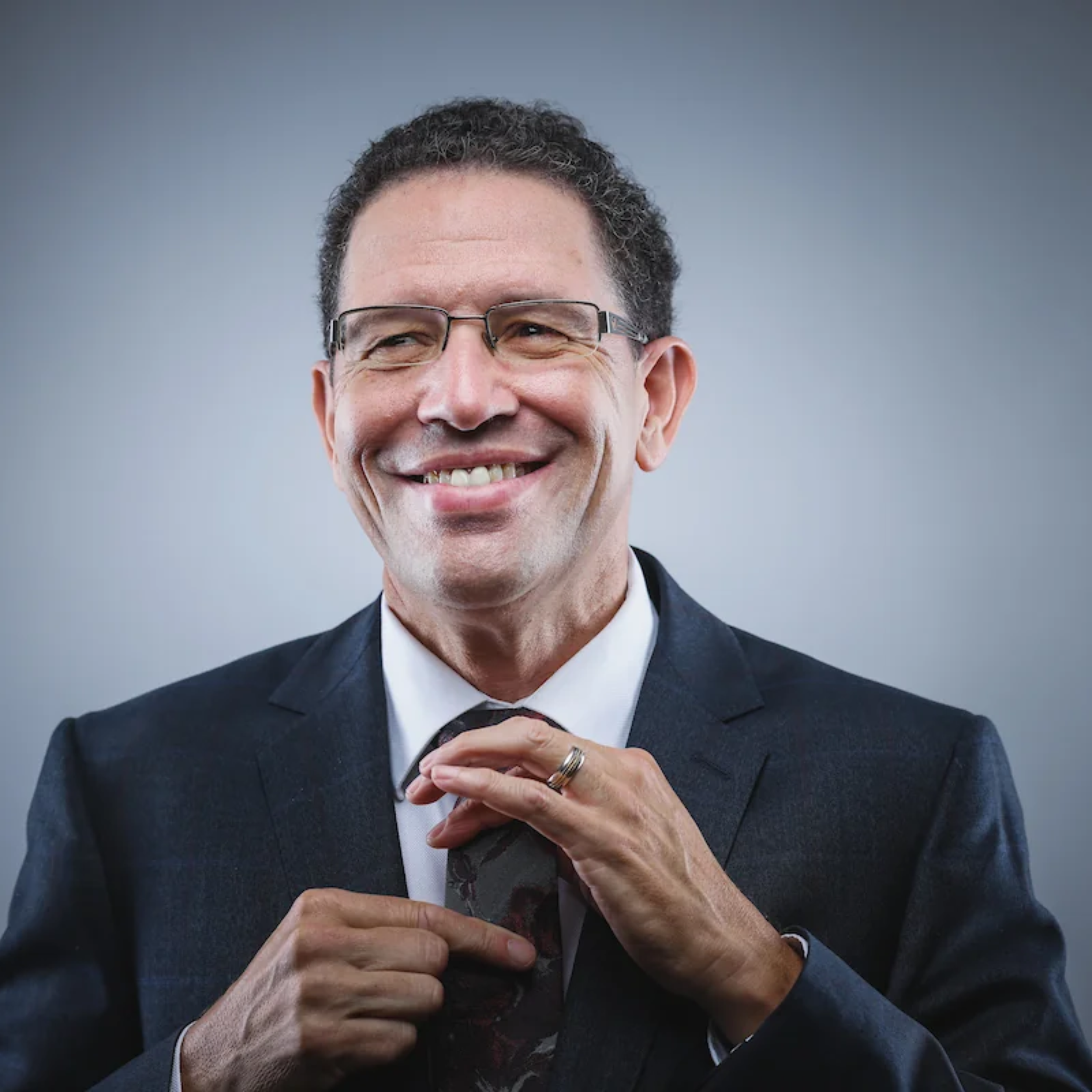
GUEST: Dr. Mark Bayley
Physiatrist-in-Chief and Program Medical Director, Toronto Rehab, University Health Network
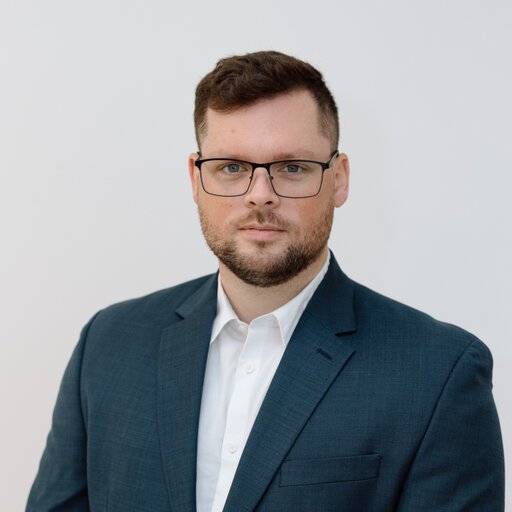
HOST: Dr. Michael Jorgesen
Postdoctoral researcher and Director of Research, HeadsupCAN
EPISODE SPONSOR
PIA Law, the Personal Injury Alliance, brings together Oatley Vigmond, McLeish Orlando and Thomson Rogers to provide experienced legal representation to injured people and their families across Ontario. pialaw.ca
EPISODE SHOW NOTES
[00:00] Introduction
[01:55] What a Physiatrist Does
Dr. Bayley explains that physiatrists specialize in physical medicine and rehabilitation, treating a wide range of injuries, including brain injury and stroke. Years ago, people with concussion had nowhere to go. Neurologists and neurosurgeons were focused elsewhere, so rehab medicine stepped in to care for everyone from mild concussion right up to severe brain injury.
[03:50] Concussion Isn’t Just a Sports Injury
Most concussions don’t happen in sports. Dr. Bayley’s team sees many from falls, bike crashes, car collisions and workplace injuries. Public awareness is still shaped by high-profile athletes, but more workplaces now have recognition protocols. That matters, because people who aren’t recognized never get on the path to care.
[05:25] Why Concussion Is Hard to Manage
Many concussions go undiagnosed, and some patients reach a clinic months later, when recovery is harder. In the last six or seven years, about a million Ontarians have had a concussion. Most aren’t seen for follow-up within the recommended month after leaving the emergency room.
[06:50] Retiring the “Rest Until You’re Better” Myth
The advice to do nothing until symptoms disappear came largely from contact sports and the fear of second impact syndrome, a rare but serious condition. Research over the last decade shows that exercise starting around 48 hours after injury helps people recover. For most people, who aren’t heading back to a contact sport, gradual activity is the better path.
[10:00] The Return-to-Activity Pathway
Rest for the first 24 to 48 hours, then begin gentle activity. Dr. Bayley’s rule of thumb is to know your limits and stay within them. If a 10-minute walk brings on a headache, stop at eight or nine minutes and build a little more each day. He also explains how wearables and a simple treadmill test help people pace themselves and feel more confident.
[13:50] Concussion as an Invisible Injury
Education is a core part of early treatment. Many people show no visible signs but still feel off, and understanding what’s happening in the brain takes some of the mystery away. Around 80 percent of people can expect to get better. Dr. Bayley points patients toward free resources matched to their biggest symptoms.
[16:20] Where People Fall Through the Cracks
The biggest gap is between the emergency room and follow-up. A patient leaves with a handout, and then nobody calls. Dr. Bayley imagines automated text check-ins after discharge that could flag people who need more care, a way to reach the roughly 150,000 Ontarians who have a concussion each year. His clinic already takes referrals from six emergency departments, but he isn’t aware of any jurisdiction with a comprehensive follow-up system.
[19:40] Where Concussion Care Goes From Here
Dr. Bayley is hopeful. Canada has internationally recognized guidelines, but frontline training still needs to grow. Most family doctors get an hour or less of concussion training in medical school, and some get none. Rowan’s Law, named for Rowan Stringer, has raised awareness among Ontario teachers and coaches, and he’d like to see similar policy for standard follow-up.
[25:10] Project ECHO
ECHO is a weekly virtual session where family doctors and nurse practitioners bring difficult cases to a panel of specialists. Each session opens with a short talk on a topic like headache or mood changes after injury. The program has room for more clinicians, and Dr. Bayley encourages family doctors to sign up.